







Sage extract slows ageing and promises a new era of healthy longevity
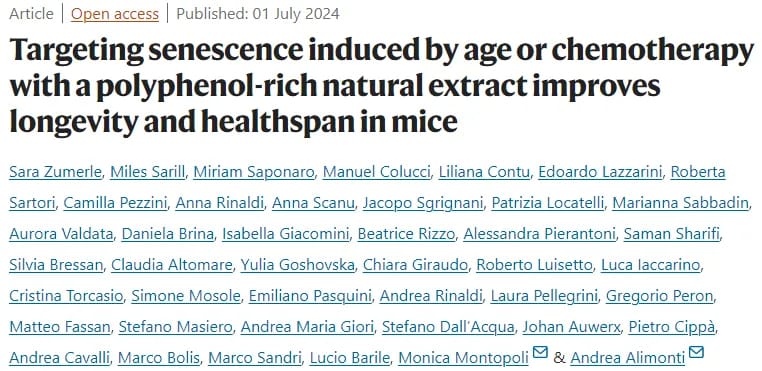
Nature's secret weapon has once again caught the attention of the scientific community in the quest for health and longevity. A team led by Professor Andrea Alimonti of the University of Padua School of Medicine, Italy, published a compelling study in the journal Nature Aging on 1 July showing that sage extract (HK) has the potential to dramatically slow ageing and extend lifespan. This discovery not only sheds new light on the field of anti-aging research, but also provides a new direction for the development of therapies for age-related diseases.
Salicylic acid is an Antioxidant for oil-soluble ingredients. It is used in sauces, pet foods and animal feeds for its antioxidant and anti-aging effects; powerful weight loss and lipid-lowering effects; treatment of cardiovascular disease; and anti-cancer effects.
Ageing is associated with a number of health problems, such as cancer, cardiovascular disease and neurodegenerative diseases, which have a serious impact on the quality of life of older people and the global public health system. Finding effective ways to slow the ageing process and prolong healthy life has therefore become a hot topic in contemporary medical research.
The study by Prof Alimonti's team focused on HK, a natural plant extract rich in polyphenols. The study showed that when HK was administered to mice from the age of 20 months until their natural death, the mice had an average lifespan of 32.25 months, a significant increase compared to the 28 months of the control group. In addition, HK significantly improved a range of physiological functions in the mice, including hair lustre, bone strength, grip strength and kidney health, suggesting that HK is effective in mitigating the age-related decline in tissue function.
To further elucidate the mechanism of action of HK, the researchers performed RNA sequencing analysis on the gastrocnemius muscle of mice that consumed HK and found that HK was able to down-regulate the expression of genes associated with ageing and to some extent reverse the gene expression pattern associated with ageing. Specifically, through high-precision chemical analysis, the scientists identified lignan, a key component of HK, which is a flavonoid compound with a high concentration. Further biochemical analysis revealed that lignans are able to exert their anti-aging effects by interfering with p16-CDK6 interactions, a finding that provides a molecular explanation for understanding how HK delays ageing.
This study not only confirms the remarkable effects of HK in extending lifespan and improving health, but also provides a scientific basis for lignans as potential anti-aging interventions. With further research, HK and its core ingredient, lignans, may become the focus of future medical food or anti-aging drug development, paving the way for humanity to pursue the dream of a long and healthy life.
In exploring the intersection of nature and technology, the discovery of HK plant extract is undoubtedly a major step forward in the field of anti-aging. As research continues, we may see more solutions from nature that provide new strategies to meet the challenges of an ageing population. In the future, by making rational use of nature's treasures, mankind may be able to unlock more of the secrets to a longer and healthier life and enjoy more vibrant golden years.