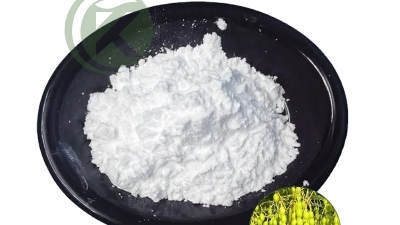
Hey there! So, we're living in a pretty cutthroat global market these days, right? And guess what? Everyone's on the hunt for top-notch natural extracts. One ingredient that's really stealing the spotlight is Extract Kudzu, and for good reason—it’s packed with awesome health benefits!
At Xi'an Jintai Biotechnology Co., Ltd., we're proud to be a big player in this space, representing the best of Chinese manufacturing while rocking our export game. We really care about quality over here, and that shows in how we handle things. Our quality control system is thorough, keeping an eye on every little detail—from planting to the final product—to make sure everything hits those high safety and quality marks.
Plus, we know the export certification process can be tricky, but we’re up for the challenge! We’re all about getting the finest Extract Kudzu out to the world, catering to what our customers need, and truly showcasing the talent behind Chinese manufacturing.
Understanding Export Certification: Key Steps for Kudzu Extract
Hey there! So, diving into the export certification processfor Kudzu Extract can feel pretty overwhelming at first, but no worries! Getting a grip on the key steps is really important if you want to break into the global market. To kick things off, you really gotta familiarize yourself with theinternational regulations out there. A recent report from the International Trade Centre highlights that if you nail these regulations, you can actually boost your product’s credibility and market appeal – like, potentially bumping up sales by 20%! Making sure your product meets the quality standards for your target markets? That's like your golden ticket for smooth transactions and making a great impression on consumers.
Quick tip: Stay tuned to any changes in legislation, whether at home or abroad. Regulatory bodies like to shake things up now and then, and knowing what's new can save you from some pretty pricey delays with your export process.
Next up, you definitely need those certificationsin hand. For kudzu extract, this could mean getting food safety certifications, organic certifications, or even meeting certain health regulations. According to the Global Market Insights Report, the market for natural health products, including Herbal Extracts, is expected to see some serious growth at about12% CAGR through 2027. So, this just goes to show how crucial it is to get properly certified if you want to take advantage of those market opportunities!
Oh, and here's another tip: if you’re feeling a bit lost in the certification process, consider teaming up with a certification consultant. They’ve got the know-how to navigate that maze and make sure you're ticking all the right boxes.
Essential Regulatory Requirements for Exporting Kudzu Extract
Navigating the complexities of exporting Kudzu extract requires a thorough understanding of essential regulatory requirements. According to a report by Grand View Research, the global herbal extract market, which includes Kudzu, is projected to reach USD 25.3 billion by 2025, growing at a CAGR of 10.2%. This highlights the increasing demand for natural remedies, making it crucial for exporters to comply with stringent regulations set forth by authorities.
In the United States, the FDA oversees the safety of dietary supplements, including Kudzu extract. It falls under the purview of the Dietary Supplement Health and Education Act (DSHEA), which mandates that manufacturers ensure the identity, purity, strength, and composition of their products. Additionally, exporting to international markets may require adherence to the European Union’s Novel Food Regulation, as Kudzu is not widely utilized in European culinary practices. Meeting these regulatory standards not only facilitates smoother market entry but also enhances consumer trust in the product, showcasing the exporter’s commitment to quality and safety in a growing market.
Navigating Export Certification for Best Extract Kudzu in the Global Market - Essential Regulatory Requirements for Exporting Kudzu Extract
| Regulatory Requirement | Description | Importance | Region | Compliance Status |
| FDA Approval | Ensures the product meets safety and efficacy standards. | Critical for market entry in the USA. | North America | Pending |
| EU Novel Food Regulation | Certification required for new food ingredients. | Necessary for EU market compliance. | Europe | Obtained |
| GMP Certification | Good Manufacturing Practices for quality assurance. | Essential for manufacturing credibility. | Global | Achieved |
| CITES Compliance | Ensures the sustainable use of wild plants. | Important for environmental protection. | International | Not Applicable |
| Labeling Requirements | Adhering to local labeling laws, including ingredient disclosure. | Critical for consumer transparency. | North America, Europe | In progress |
| Customs Export Documentation | Proper documentation to facilitate export operations. | Mandatory for legal export procedures. | Global | Completed |
| Import Permits | Required permits from destination countries. | Essential for compliance with foreign regulations. | Varies by country | Submitted |
Quality Standards and Testing for Kudzu Extract in International Markets
Navigating the export certification for Kudzu extract in today's global market can be quite a challenge, and it really requires a solid grasp of quality standards along with a careful approach to testing procedures. You know, research shows that the global herbal extract market is on track to hit a whopping $14.25 billion by 2026, and natural extracts like Kudzu are really leading the charge in this growth. So, if companies want to break into international markets, making sure they meet quality standards like ISO 9001 and Good Manufacturing Practices (GMP) is super important. Not only do these standards enhance the reliability of the products, but they also help build consumer trust, especially out there in such a competitive marketplace.
Now, to hit those quality benchmarks, companies need to employ some pretty rigorous testing methods, like High-Performance Liquid Chromatography (HPLC) and microbiological assessments. A recent report from the Herbal Dietary Supplements Association revealed that over 67% of consumers are honestly worried about the quality and safety of herbal products. So, having strong testing protocols isn’t just a good idea; it’s a must if you want to be accepted in the market.
And hey, here’s a couple of quick tips: Always keep an eye on the specific regulatory requirements of the markets you’re aiming for, 'cause they can really change from one place to another. It might also be a great idea to team up with third-party testing labs for extra validation of your product’s quality — trust me, having those third-party certifications can really boost your credibility. Engaging with local regulatory bodies can also give you the scoop on any emerging trends and updates on compliance.
Best Practices for Documentation in Kudzu Export Processes
Hey there! So, when it comes to exporting kudzu, it's a bit of a maze that really calls for some careful paperwork to make sure we’re on the right side of international regulations. You see, kudzu is classified as an invasive species, and it’s been spotted in 28 counties all over Oklahoma, especially in the eastern parts. That’s why it’s super important for exporters to get a grip on local environmental rules and know the best ways to keep their documentation in check. Plus, sourcing raw materials that are not just top-notch but also safe is key. At Xi'an Jintai Biotechnology Co., Ltd., we keep a close eye on quality control right from the planting base. We make sure to thoroughly screen everything and apply strict quality inspection standards on all our raw materials.
When you’re gearing up for export certification, it really helps to put together a solid set of documents. Think about including things like phytosanitary certificates, quality assurance reports, and making sure you're compliant with international trade regulations. These papers not only boost your product's credibility but can also make the whole export process a whole lot smoother.
**A few tips:**
1. Always double-check the latest regulations in your area regarding invasive species like kudzu to steer clear of any compliance hiccups.
2. Keep detailed records of your sourcing and quality testing processes. It’ll help make your documentation and certification a breeze.
3. Connect with local vegetation managers—they’re essential for handling invasive species. Collaborating with them can really help you adopt sustainable practices while sourcing kudzu.
Navigating Export Certification for Best Extract Kudzu in the Global Market
Navigating Trade Agreements and Tariffs for Kudzu Export Success
Hey there! So, let’s talk about something pretty important—the booming global market for kudzu extract. If you're an exporter aiming to make a mark, you’ve got to get a handle on trade agreements and tariffs. It’s a bit of a jungle out there, but figuring out the ins and outs can really help your business stand out. You’ll want to make sure your products are in line with international rules while also taking advantage of any trade perks you can find. Seriously, getting cozy with the specific trade agreements for your target markets could save you a bundle on tariffs and overall costs.
Plus, have you noticed how some entrepreneurs in the food service scene are killing it lately? That’s a great reminder that there are plenty of opportunities in our interconnected world. Just like those founders tapped into their past experiences to crush it again, kudzu exporters need to be smart and flexible in today’s shifting trade landscape. By forming solid partnerships and keeping an eye on the ever-changing regulations and tariffs, businesses can really up their export game, which in turn can lead to better market reach and, you know, greater profits in this thriving global kudzu market.
Unlocking Nature's Power: The Benefits of Sophoricoside Powder from Sophora Japonica Extract
Unlocking Nature's Power: The Benefits of Sophoricoside Powder from Sophora Japonica Extract
Sophoricoside powder, derived from the fruit of Sophora Japonica, is gaining recognition for its versatile applications in cosmetic and pharmaceutical industries. With a specification of 98% Sophoricoside, this white powder showcases exceptional qualities attributed to its natural origins, non-GMO status, and heat-only processing. The CAS number 152-95-4 identifies this compound, which is not only effective but also adheres to rigorous industry standards, certified by GMP, ISO9001, ISO22000, HACCP, KOSHER, and HALAL.
Scientific studies have highlighted the myriad benefits of Sophoricoside, particularly its anti-inflammatory and antioxidant properties. A research report published in the Journal of Ethnopharmacology indicates that Sophoricoside exhibits potent effects in reducing oxidative stress and inflammation, which are key factors in the aging process. Moreover, its role in skin health has been substantiated by data showing improved skin hydration and elasticity, making it a sought-after ingredient in cosmetic formulations.
Incorporating Sophoricoside powder into your products not only enhances their efficacy but also appeals to health-conscious consumers looking for natural and effective solutions. As the demand for plant-based and clean-label ingredients continues to rise, Sophoricoside powder represents a valuable addition to any formulation, supporting the trend towards sustainable and responsible beauty and wellness products. Manufacturers and suppliers can now access this bulk powder at wholesale prices, facilitating its integration into various applications.
FAQS
: Familiarizing yourself with international regulations is essential as it can enhance your product’s credibility and marketability, potentially increasing sales by up to 20%.
Necessary certifications may include food safety certifications, organic certifications, and compliance with specific health regulations.
It's important to keep abreast of changes in both domestic and international legislation, as regulatory bodies frequently update standards that can impact export processes.
Compliance with international quality standards such as ISO 9001 and GMP is critical for market acceptance, as they improve product reliability and consumer trust.
Rigorous testing methods such as HPLC (High-Performance Liquid Chromatography) and microbiological assessments are essential to meet quality benchmarks.
Partnering with third-party testing labs enhances credibility, as third-party certifications are often trusted more by consumers.
Familiarizing yourself with specific trade agreements is crucial, as they can impact tariffs and overall export costs, influencing competitive positioning in target markets.
The global herbal extract market is projected to reach USD 14.25 billion by 2026, with natural extracts like kudzu expected to grow at a CAGR of 12% through 2027.
Exporters should build strong partnerships and stay informed about changing regulations and tariffs to enhance their export capabilities and profitability.
Engaging with local regulatory bodies can provide insights into emerging trends and compliance updates, helping exporters navigate the complex landscape efficiently.