You know, the global nutraceutical market is changing so fast right now, and it's pretty exciting to see the growing interest in high-quality Curcuma Longa Extract. People are really catching on to its amazing health benefits, especially thanks to Curcumin, which gets all the spotlight! A recent market research report even points out that the global curcumin market is set to hit around USD 120 million by 2025, with an impressive annual growth rate of 12.5%. But let's be real; sourcing top-notch Curcuma Longa Extract isn’t a walk in the park. There are these big challenges we face, like quality inconsistencies and the need for ethical sourcing practices.
That’s where we at Xi'an Jintai Biotechnology Co., Ltd. come in. We totally get these challenges, and we've put together a solid quality control system starting right from our planting base to make sure our raw materials are safe and top quality. By sticking to our strict inspection standards, we want to make sure that buyers around the world can count on us to provide reliable Curcuma Longa Extract to meet consumer needs and really boost product effectiveness. It's all about helping people get what they want!
Understanding Curcuma Longa Extract: Key Benefits and Applications
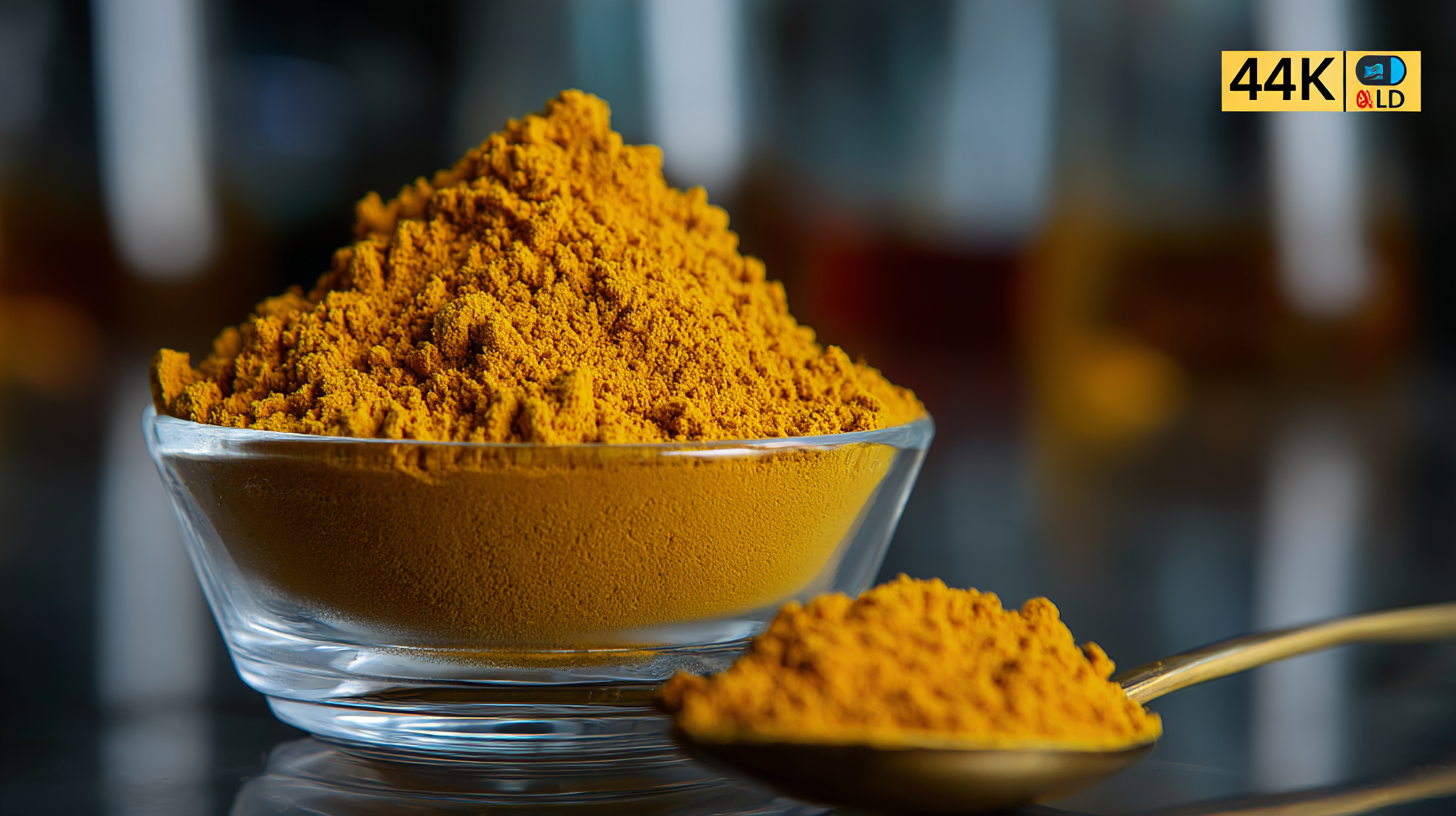
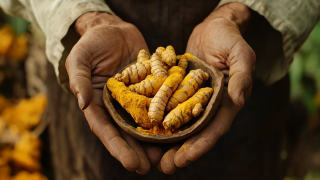
You know, Curcuma longa, which we usually call Turmeric, has really been in the spotlight lately for its amazing health perks. This vibrant spice is packed with curcumin, a natural compound that has some pretty impressive anti-inflammatory and Antioxidant properties. No wonder it’s such a hit in supplements and health products! People are raving about it for everything from heart health to boosting the immune system, so it’s no surprise that both traditional and modern medicine have made it a go-to ingredient.
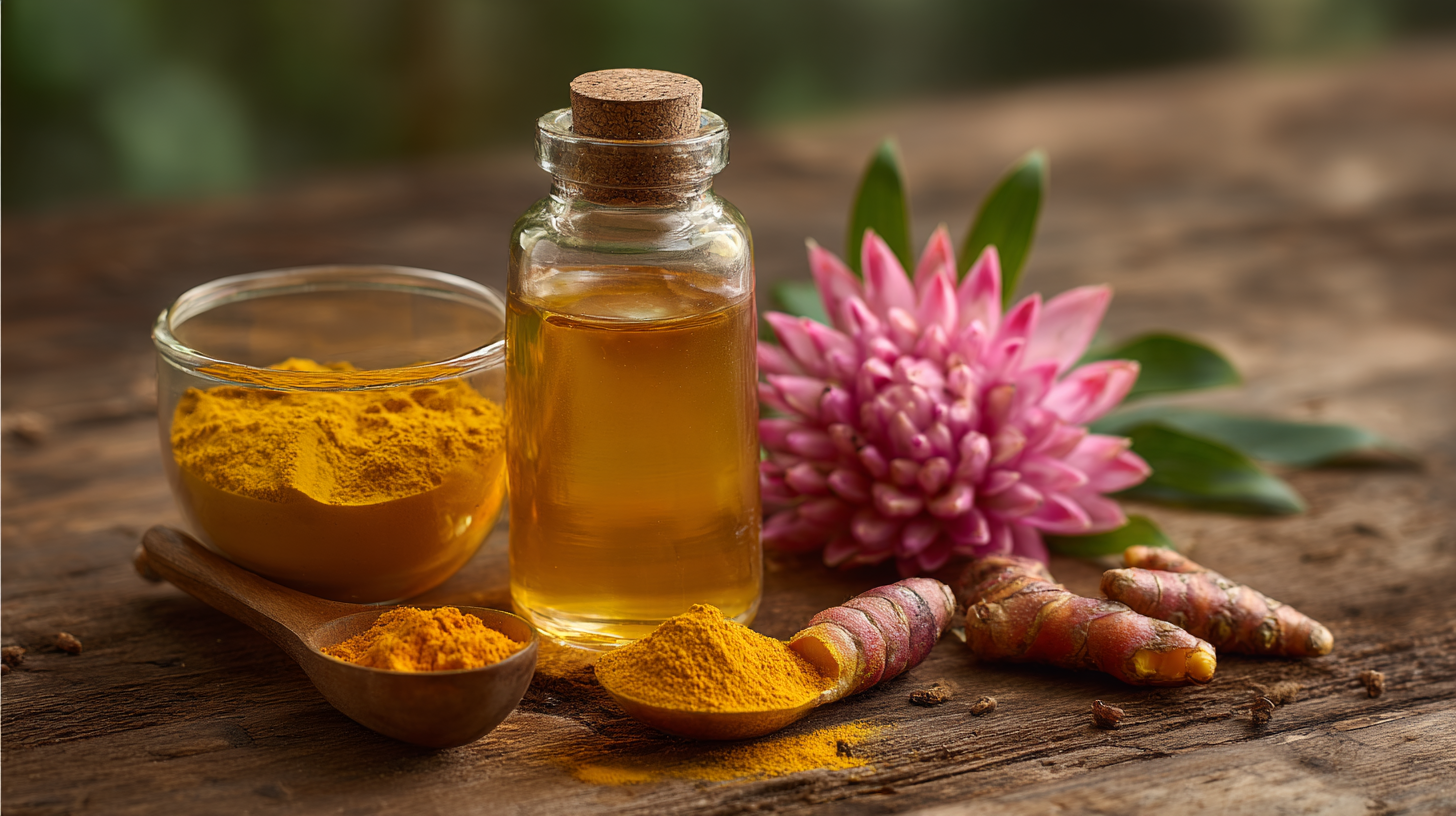
But here’s the thing—when you’re trying to find high-quality turmeric extract, it can be a bit of a jungle out there. You want to make sure you’re getting something that’s top-notch! That's why it’s super important to team up with suppliers who really care about quality control. At Xi'an Jintai Biotechnology Co., Ltd., we take this seriously. We’ve got a solid quality assurance system that starts right from when the plants are growing. This way, we can ensure our raw materials are safe and effective, which means we can deliver premium products to our clients all over the world.
Tip 1: Always ask your supplier about where they source their turmeric from. A transparent supply chain can really affect the quality of the curcumin you’re getting.
Tip 2: Keep an eye out for certifications like GMP (Good Manufacturing Practices) or ISO—these show a real dedication to quality production.
Tip 3: Think about how the turmeric extract is made; methods that don’t use solvents can often give you a cleaner, more powerful extract.
Identifying Quality Indicators: What to Look for in Sourcing Curcuma Longa
So, when you're on the hunt for Curcuma Longa extract, which you might know better as the one packed with that active compound called curcumin, there are a few key things to keep in mind if you want to snag a top-notch product. A report from Grand View Research even suggests that the global curcumin market is set to hit a whopping $1.43 billion by 2025! That’s a sign that folks are really after quality stuff. One major thing to check is the curcumin concentration—aim for extracts with at least 95% curcumin. That's the sweet spot where the health benefits really kick in.
Now, if you're looking to source this extract, one of the first steps is to make sure your supplier has the right certifications. You’ll want to find ones that follow Good Manufacturing Practices (GMP) and have ISO certifications. Those are your flags for international quality standards. Plus, don’t forget to consider where the turmeric comes from. Studies have shown that turmeric grown in places with ideal conditions, like India, tends to yield the better extracts.
And here’s another biggie: testing for contaminants! Make sure your suppliers can provide certificates of analysis that show their products are free from nasty stuff like heavy metals, pesticides, or microbial contamination. Being open and having good communication with your suppliers can totally improve your sourcing journey, ensuring that you get not just high-quality Curcuma Longa extract but also one that meets safety expectations for consumers.
Quality Indicators in Sourcing Curcuma Longa Extract
Navigating Regulatory Challenges in Global Sourcing of Curcuma Longa
When it comes to sourcing Curcuma longa—better known as turmeric—it can be pretty tricky! There are all sorts of regulatory hurdles that buyers need to navigate, and trust me, they can vary a lot depending on where you are in the world. Take the European Union, for example. They've got some pretty strict quality control standards and a hefty amount of documentation to sort through, which can feel overwhelming at times. On the flip side, if you're looking at markets in Southeast Asia, the rules can be a bit more relaxed. That's why it's super important for buyers to make sure they’re on top of all these regulations; otherwise, they risk facing delays or even having shipments turned back at customs. Nobody wants that headache, right?
And don’t forget, regulations around herbal extracts are always changing. With more and more people catching on to the amazing health benefits of turmeric, there’s now a good deal of scrutiny over how it’s sourced. Buyers really need to roll up their sleeves and get familiar with local laws and international agreements regarding raw material sourcing. Teaming up with reliable suppliers who know their stuff when it comes to compliance can really help reduce those risks and make the whole procurement process smoother. If you stay informed and adapt to these shifts, you'll be in a great position to tackle the challenges and snag some top-notch Curcuma longa extracts for your market!
Exploring Challenges in Sourcing Best Curcuma Longa Extract for Global Buyers
| Region | Main Challenges | Regulatory Standards | Sourcing Strategies | Supplier Certifications |
| Asia | Quality Control, Price Volatility | ISO, FDA Compliance | Direct Sourcing, Long-term Contracts | GMP, Halal |
| Europe | Regulatory Complexity, Import Taxes | EU Regulations, Novel Foods | Partnerships with Local Suppliers | Organic Certification |
| North America | Market Competition, Supply Chain Issues | FDA, USDA Organic | Diversified Sourcing, Bulk Purchases | Non-GMO, Kosher |
| Australia | Climate Variability, Sourcing Limitations | AQIS, Trade Practices Act | Local Sourcing, Cooperative Agreements | AUS-QUAL Certification |
Case Studies: Successful Industry Applications of Curcuma Longa Extract
You know, Curcuma Longa extract, which we all know as turmeric extract, has really started to make waves in a bunch of industries lately—mainly because of its amazing health perks. People are especially buzzing about its anti-inflammatory and antioxidant properties. In the nutraceutical world, it’s pretty wild to see that the global curcumin market is expected to hit around $60 million by 2025! That really shows how much folks who care about their health are looking for this powerhouse extract. There are some cool case studies out there, too, that show how businesses have worked turmeric into their products. Take this one top-tier dietary supplement brand; they actually saw a sales boost of over 30% after they rolled out a turmeric-based formula. They really leaned into the science that backs curcumin's benefits for managing chronic pain, and it paid off big time.
Now, if you're thinking about sourcing Curcuma Longa extract, you definitely want to pay attention to the quality and bioavailability of what you’re getting. From what I've gathered in industry reports, the effectiveness of turmeric can really depend on its curcumin content. In raw root forms, it’s usually around 3-5%, but high-quality extracts can go up to 95% curcumin! So, when you're shopping around, it’s super important to prioritize suppliers who are transparent about their extraction processes and ingredient profiles.
Oh, and here’s a little tip: always ask for those third-party testing results. It’s a surefire way to make sure you're getting a pure and potent extract. Plus, teaming up with suppliers who follow Good Manufacturing Practices (GMP) can really help you dodge any sourcing mishaps. And don’t forget, looking into sustainable sourcing options can not only boost your brand’s reputation but also attract eco-conscious consumers. It’s a win-win!
Strategies for Building Reliable Supplier Relationships in Curcuma Sourcing
You know, building solid relationships with suppliers is super important for anyone on the global scene trying to get their hands on Curcuma longa extracts, or as most folks know it, turmeric. With the global market for turmeric expected to hit a whopping $3 billion by 2025, it really pays off to establish some trust with those suppliers. A 2021 analysis by Statista showed that the demand for turmeric has really taken off, thanks to its health perks and its uses in everything from food to cosmetics. This boom has created a pretty competitive environment, where the quality and consistency of products are crucial.
To make sense of the whole sourcing game, buyers should really focus on keeping things transparent in their supply chain. Having clear communication definitely helps everyone stay on the same page regarding product details, quality checks, and delivery schedules. Research from Grand View Research points out that about 85% of businesses would rather stick with long-term partnerships. Why? Because it builds up some serious resilience in the supply chain and ensures that the quality stays consistent.
Regular audits and setting clear expectations can really strengthen these connections, helping to dodge any supply hiccups while boosting product reliability. And if you can, face-to-face meetings are a game changer! They not only deepen your understanding of what the supplier can offer but also show a commitment to quality. In the end, this kind of personal touch benefits everyone involved in the sourcing process.
Future Trends: Innovations in Curcuma Longa Extract Usage Across Industries
You know, there’s been a real buzz around Curcuma longa—better known as turmeric—lately. It’s like people are finally waking up to all the cool things it can do, going way beyond just being a spice in our kitchens. The star here is curcumin, which is the extract’s bioactive component, and it’s really making waves in the wellness world. These days, you’ll find it popping up in everything from dietary supplements to trendy functional foods. Manufacturers are really getting creative, trying to harness curcumin’s anti-inflammatory and antioxidant perks to meet that rising demand for natural health solutions.
But wait, there's more! In the realms of cosmetics and pharmaceuticals, Curcuma longa is catching even more attention. Researchers are busy whipping up innovative skincare products using curcumin to tackle aging and various skin problems. And in the pharmaceutical world, folks are really looking into how this extract might help with long-term health issues, especially when it comes to preventing chronic diseases. The good news is that with all the new tech out there, extracting curcumin is getting easier and more efficient. This means we’re likely gonna see better quality and absorption in products, paving the way for Curcuma longa to become a mainstay in health and beauty items globally. Exciting times ahead!
FAQS
: Buyers should look for extracts containing at least 95% curcumin content, verify supplier certifications such as Good Manufacturing Practices (GMP) and ISO, and consider the origin of the turmeric.
The origin is important because turmeric sourced from regions with ideal growing conditions, like India, tends to result in higher quality extracts.
Buyers should require suppliers to provide certificates of analysis that confirm the product is free from heavy metals, pesticides, and microbial contamination.
Transparency allows for better alignment on product specifications, quality assurance, and delivery timelines, fostering reliable supplier relationships.
There is growing interest in using curcumin in dietary supplements, functional foods, skincare products, and pharmaceuticals, due to its health benefits.
Building reliable relationships is essential to ensure consistent quality and to navigate the competitive landscape as the demand for turmeric increases.
Strategies include maintaining thorough communication, conducting regular audits, setting clear expectations, and engaging in face-to-face meetings.
Technological advancements are leading to more efficient extraction methods, which improve the quality and bioavailability of curcumin.
Future applications include advanced skincare products in cosmetics, and investigative therapeutic applications in the pharmaceutical industry, particularly for chronic diseases.
The global curcumin market is expected to reach USD 1.43 billion by 2025, reflecting rising demand for quality sources.